
Unlocking the Power of Fast-Twitch Muscle Fibers to Combat Aging and Boost Performance
- Abel Sanchez
- Oct 16, 2025
- 4 min read
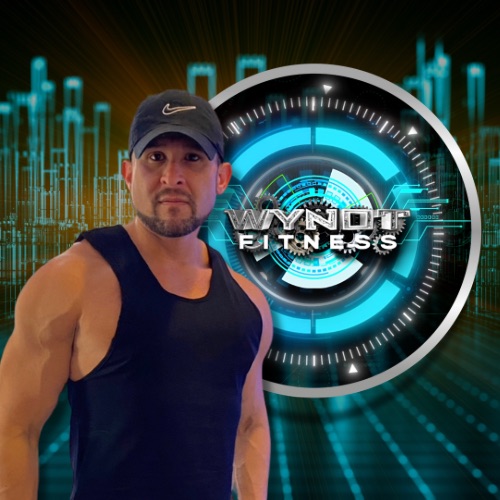
As we age, our bodies go through significant changes. One of the most impactful changes is the decline in muscle mass and strength, especially in fast-twitch muscle fibers. These fibers are crucial for explosive movements, agility, and overall physical performance. Recognizing their role and how to maintain them can be vital for staying active and energetic as you age.
In this blog post, we will explore the importance of fast-twitch fibers, why their numbers decline over time, and how you can fight this decline with targeted training and lifestyle choices.

Why Fast-Twitch MUSCLE Fibers Matter
Fast-twitch muscle fibers, or Type II fibers, are key for activities that require quick bursts of energy like sprinting, jumping, and heavy lifting. They are responsible for explosive strength and speed, both essential for athletic performance and daily tasks.
Sadly, studies show that individuals can lose 15% to 30% of their fast-twitch muscle fibers by age 70. This loss can lead to slower movements, diminished strength, and a higher risk of falls. At WYNOT Fitness, we believe that aging should not mean a decline in power and agility. By focusing on training both the nervous system and the body, we can reactivate these fibers and restore athletic movement at any age.
Why Fast-Twitch MUSCLE Fibers Decline With Age
1. Selective Loss
Fast-twitch fibers are not active during everyday low-intensity activities such as walking. For instance, someone who walks regularly might not engage their fast-twitch fibers, leading to a faster rate of atrophy than slow-twitch fibers.
2. Neural Degeneration
As we age, the communication between motor neurons and fast-twitch fibers can break down. This loss may reassign fast-twitch fibers to slower motor units. As a result, their efficiency decreases, leading to decreased power.
3. Lack of High-Intensity Activation
Without regular high-intensity training, fast-twitch fibers may cease to activate. This concept can be summarized as “use it or lose it.” If you’re not incorporating explosive movements into your routine, these fibers might disappear over time.
4. Hormonal & Recovery Factors
Aging is linked to lower levels of anabolic hormones, like testosterone and IGF-1. These hormones are vital for muscle repair and growth. With hormonal decrease, recovery slows. Therefore, proper nutrition and sleep become crucial for muscle recovery.
What Happens When You Lose Fast-Twitch Fibers
The loss of fast-twitch fibers can have several negative impacts on your physical abilities:
Power Fades
Everyday tasks such as climbing stairs or reacting to a fall can become slower and tougher. This decrease in power can significantly diminish your quality of life.
Coordination Drops
Less fast-twitch muscle means impaired balance and agility. This decline can lead to a higher chance of falls and injuries, which is especially worrying for older adults. In fact, nearly 30% of adults aged 65 and older fall each year, highlighting the importance of maintaining muscle strength.
Metabolism Slows
With diminished muscle mass, your body burns fewer calories at rest. This slowdown can lead to weight gain. For instance, research shows that for every 10% loss in muscle mass, resting metabolism can decrease by up to 5%.
Confidence Declines
The physical weakness associated with losing fast-twitch fibers can also affect your confidence. Feeling weak may make you less active, creating a negative cycle that further perpetuates physical decline.
Strategies to Maintain Fast-Twitch Fibers
1. Incorporate Power Training
Power training is vital for keeping fast-twitch fibers intact. Focus on exercises demanding explosive movements, like:
Sprints: Incorporate short-distance sprints, starting with 20-30 meters.
Jump Squats: Aim for 10-15 repetitions for 2-3 sets.
2. Engage in High-Intensity Interval Training (HIIT)
HIIT workouts are particularly effective for older adults wanting to sustain muscle power. These workouts alternate between short bursts of intense activity and rest, activating fast-twitch fibers. For instance, a 20-minute HIIT session can improve aerobic capacity by 10% to 20%.
3. Focus on Strength Training
Regular strength training can help combat sarcopenia, which is the age-related loss of muscle mass. Incorporate compound movements such as squats and deadlifts to maintain overall strength.
4. Prioritize Recovery
Recovery becomes crucial as you age. Get adequate sleep, balanced nutrition, and hydration to support muscle repair. Aim for at least 7-9 hours of quality sleep per night to optimize recovery.
5. Stay Consistent
Consistency is critical. Try to incorporate power and strength training into your routine at least 2 to 3 times a week.
The Role of Nutrition in Muscle Maintenance
Nutrition is central to maintaining fast-twitch fibers and overall muscle health. Here are some effective dietary strategies:
1. Prioritize Protein
Consuming enough protein is vital for muscle repair and growth. High-quality protein sources like chicken, fish, beans, and dairy should be included in your meals. Aim for 1.2 to 1.6 grams of protein per kilogram of body weight daily.
2. Stay Hydrated
Dehydration can harm muscle performance and recovery. Drink plenty of water throughout the day, particularly before and after workouts. The general recommendation is to consume about 2-3 liters daily.
3. Consider Supplements
Certain supplements like creatine and branched-chain amino acids (BCAAs) can support muscle maintenance and recovery. However, consult with a healthcare professional before adding any supplements to your routine.
The Importance of Mindset
Maintaining fast-twitch fibers and overall muscle health isn’t just about physical training; it also requires a positive mindset. Here are some tips to help foster such a mindset:
1. Set Realistic Goals
Creating achievable fitness goals can keep you motivated. Breaking larger goals into smaller milestones helps celebrate progress along the way.
2. Embrace Challenges
Don’t shy away from tough workouts. Facing challenges helps push your limits and keeps your fast-twitch fibers engaged.
3. Surround Yourself with Support
Being part of a community with shared goals can encourage you. Joining a fitness class or group can provide the accountability and inspiration needed to stay active.
Embracing Your Physical Journey
Fast-twitch fibers are essential for maintaining power, agility, and overall performance as you age. By understanding what leads to their decline and actively pursuing targeted training and lifestyle changes, you can counteract the effects of aging.
At WYNOT Fitness, we believe it's never too late to activate fast-twitch fibers and enhance your athletic movements. Whether you are beginning your fitness journey or looking to boost your routine, there is always room for growth. Embrace the potential of fast-twitch fibers and thrive as you age powerfully.
Remember, just because muscles change with age doesn't mean strength and performance should dwindle. Adopting the right approach, you can maintain muscle power after 40 and enjoy a vibrant, active lifestyle for years to come.

Comments